

Whether by unmediated naturals means, induction, or caesarean section, the birth of a child can be an exciting, frightening, and overwhelming experience, and all this is just within in the first moments of life! While some birth experiences go on exactly as planned, others are not as routine, and fortunately procedures such as caesarean delivery (CD) are available to those who might otherwise suffer the negative consequences that can be associated with the birthing process.[1] While CDs are usually performed when a vaginal delivery potentially risks the mother’s or infant’s life, these deliveries have become more widespread even in cases where natural childbirth is possible.[1]
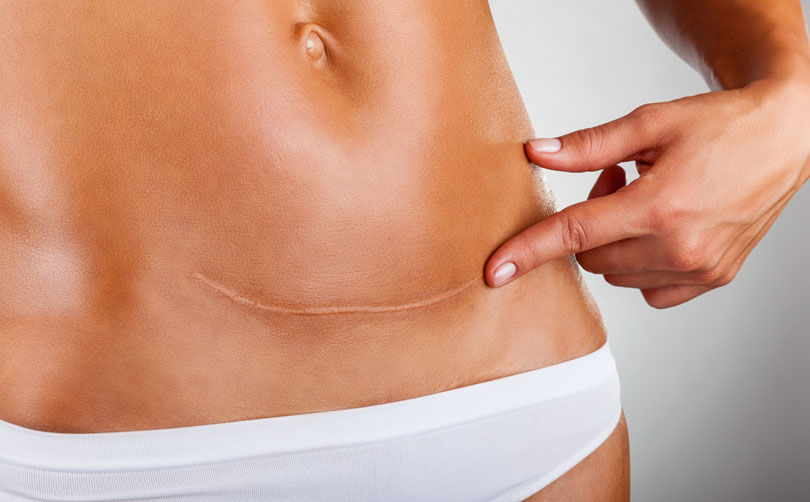
The current Canadian CD rate is approximately 26%, an increase of 45% since the late 1990s, due to a rise in both elective and emergent CD births, and exceeds the World Health Organization’s recommended rate of 10–15%.[1] The importance of the availability of this procedure is without question; however, the increasing rate of elective CDs warrants a greater understanding of the differences that exist between vaginal and CD, as these differences may predispose those born via CD to negative long-term health consequences. Parents hope to give their children the best start in life, and there are many different medical and nonmedical recommendations provided to foster development and growth in utero and out. Understanding the differences between these birth methods will help those providing recommendations best establish and maintain the optimal health of the tiniest birth participant.
A Gut Feeling
As physicians, we know that the intestinal environment, host to our microbial ecology, shapes the health of the individual, from gastrointestinal health to immunity and even brain function.[2] We know that there is significant biological development during infancy, and that this development is highly related to the intestinal flora.[3] We also know that an imbalance in beneficial and pathogenic bacteria can lead to a plethora of negative health consequences.[4] Therefore, the exposure and propagation of appropriate microbes in early infancy is integral to the health of the host, both now and quite possibly in the far reaching future. While some emerging research is beginning to suggest that the intestinal colonization of the fetus may be initiated preterm, most current literature suggests that the gastrointestinal tract of the infant is primarily sterile at birth, with differences in delivery method influencing subsequent intestinal bacterial colonization, whether protective or pathogenic.[3, 5] When we look at the research regarding vaginal deliveries, it appears that babies born via this method are colonized predominantly with beneficial bacterium species including Lactobacillus and Bacteroides.[6] 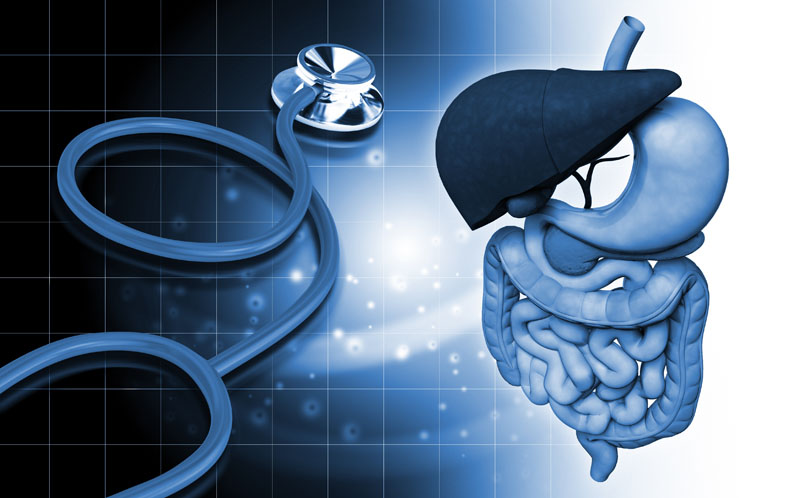
This is in comparison to those born via CD, who have been shown to be colonized with a mixture of potentially pathogenic bacteria, such as Staphylococcus and Acinetobacter, typically found on the skin and in hospitals.[7] Further research has shown that infants born by CD were lacking the Bacteroides bacterium and found low levels of Escherichia and Shigella in comparison to vaginal deliveries.[8] Escherichia and Shigella are normally among the first bacteria to inhabit the gut, creating and supporting a hospitable environment for other beneficial bacteria.[8, 9] While these findings show the immediate differences present in the gastrointestinal microbiome at birth, further research elucidates these differences over time. Gronlund et al found that the primary gut flora in infants born via CD may be disturbed for up to six months after birth, and according to Salminen et al, differences in intestinal microbes can be found seven years after delivery.[10, 11]
While this research points to the influence that direct first exposure has over the intestinal microflora, indirect influences are also important when it comes to the development of the infant’s microbiome. Breast milk, high in beneficial nutrients and critical to immune function, is also an important moderator in the development of the intestinal flora. An antibody found in breast milk, known as SIgA, has been shown to support appropriate bacterial colonization, setting up a healthier environment for the infant.[12] The absence of this antibody can produce long-lasting consequences for offspring, including several signs of inflammatory bowel disease (IBD), highlighting the importance of breastfeeding, particularly in the first few days after birth. Lactation is typically delayed with CD performed prior to labour onset, as hormonal cascades will be initially absent and delays in feeding may occur.[13] While many women who have undergone CD do eventually succeed in breast-feeding, for those who choose or are unable to breast-feed, the absence of breast-milk growth moderators may enhance the already discordant effects of CD on the infant’s bacterial flora.
Setting the Stage
Knowing that differences in gastrointestinal bacterial colonization exist between CD and vaginal births, and that the GI tract plays a large role in the health and development of the infant, what is the effect of these different exposures? Is it possible that differences in colonization set the stage for later health concerns, such as immune-related conditions, right from the first few minutes of life? The exposure to bacterium at birth begins the process of immune recognition, helping the body distinguish friend from foe. A failure to learn this distinction impairs the immune system’s ability to determine good and bad, predisposing one to health concerns such as chronic inflammation, autoimmunity, allergy, and chronic illness.[3] In a study conducted on female mice selected to give birth via CD or naturally, it was found that differences in the gut microflora of offspring between delivery groups disappeared with age.[14] What did differ over time, however, was the presence of immune-system inequalities between the two groups, with lower levels of T-regulator cells found in CD mice, compared to those born naturally. 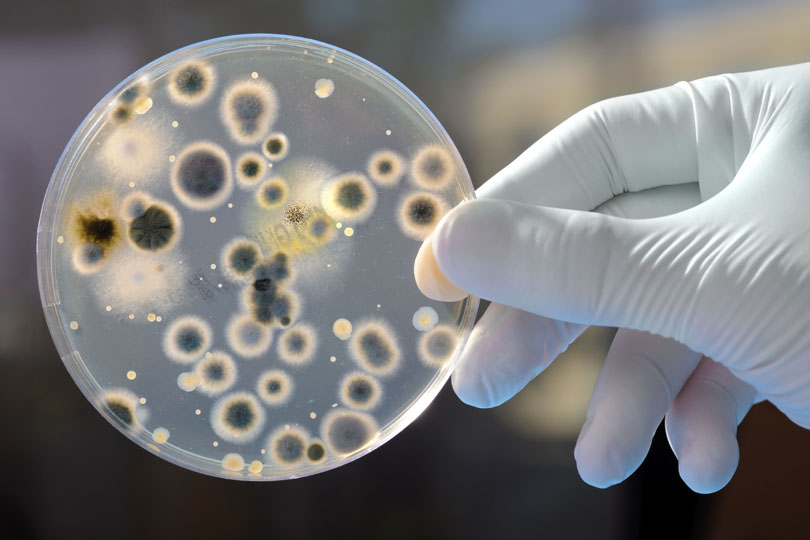
As T-regulator cells are important in antigen recognition, this data shows how early life exposures may influence immune function and may have important implications in the presence of certain illnesses throughout the lifespan. Comparing vaginal birth to CD, atopic diseases seem to appear more often in infants after CD.[15] Caesarean births have also been associated with a significantly increased rate of asthma and sensitivity to food allergens.[16, 17] Those born via CD are significantly more likely to be affected by celiac disease and to be hospitalized for gastroenteritis.[18] In addition to these conditions, the rise of type 1 diabetes mellitus appears to follow this trend, with a meta-analysis finding a 19% increase in DM1 in CD when controlling for several variables.[19]
Plan of Action
So what’s to be done? Research is still emerging regarding the complicated relationship between the infant gastrointestinal microflora and the presence of later illness. While there are currently no conventional strategies enforced to counter the apparent differences between natural and CD delivery, there are some relatively simple and emerging practices that might be the future of infant care after CD. Probiotic treatment with applicable bacteria species can be a simple strategy to implement in the event of CD. The efficacy of probiotic use on the gastrointestinal microbiome and immune function was demonstrated by the Swansea Baby-Allergy Prevention Trial.[20] This study utilized a randomized, double-blind, placebo-controlled investigation conducted to evaluate the effects of probiotic administration on the prevention of allergies in infants over six months and after two years. Pregnant women (36 weeks of gestation) were given either a daily probiotic capsule containing 10 billion CFU from Lactobacillus salivarius, Lactobacillus paracasei, Bifidobacterium animalis ssp. lactis, and Bifidobacterium bifidum, or a placebo. After birth, the participants’ infants began daily probiotic supplementation until six months of age. Allergic response, as shown through skin sensitivity, was evaluated at six months and two years of age. In comparison to the placebo group, infant participants in the probiotic group experienced a 57% decrease in skin sensitivity, showing how probiotics positively influence the gut microflora and the developing immune system. As previously mentioned, breast-feeding is also a beneficial way to support the healthy intestinal microbiome as it seeds the infant’s gut with beneficial nutrients and supports the development of a healthy immune system.[12,21] The avoidance of unnecessary antibiotics as well as minimizing environmental exposures may furthermore limit pathogenic bacteria colonization.[6] More direct routes of maternal flora exposure to the infant are also in development. Research is currently exploring the use of vaginal swabs to “seed” infants born via CD. The procedure utilizes a gauze pad exposed to the maternal vagina prior to CD, which is then used to swab the infant from head to toe, encouraging the exposure to these beneficial bacteria.[22,23] Preliminary research regarding this procedure demonstrates that vaginal microbes can be partially restored at birth in CD babies; however, further research regarding the long-term efficacy is needed, and conventional medical associations currently do not support the procedure.[24,25] As new research emerges about the importance of the intestinal microbiome on the current and future health of the infant, it is hoped that strategies aimed at developing a healthy GI ecology will become commonplace, helping to reduce later health concerns in those with little choice in how they enter the world.
On leaving the hospital, a plethora of information pertaining to washing, feeding, and general care of this new bundle of joy is provided to parents. When it comes to the differences in the gastrointestinal microbiome between caesarean and vaginal deliveries, however, information pertaining to the long-term health consequences associated with CD can be hard to find. What we know is that the developing immune systems of these tiny birth participants are influenced by the bacteria they come into first contact with, and this contact is directed by the mode of delivery. Research is beginning to link early-life exposure to the later development of conditions, such as those related to the immune system, and providing strategies aimed at reducing these differences may help the infant take the first few steps toward lifelong health even before they’ve learned to walk.
Références
- Women’s Health Data Directory. Caesarean Section · http://womenshealthdata.ca/category.aspx?catid=108&rt=3
- Kohn. D. “When gut bacteria changes brain function.” The Atlantic · http://www.theatlantic.com/health/archive/2015/06/gut-bacteria-on-thebrain/395918/ · Published 2015-06-24.
- Neu, J. and J. Rushing. “Cesarean versus vaginal delivery: Long-term infant outcomes and the hygiene hypothesis.” Clinics in Perinatology Vol. 38, No. 2 (2011): 321–331.
- Guarner, F. and J.R. Malagelada. “Gut flora in health and disease.” Lancet Vol. 361, No. 9356 (2003): 512–519.
- DiGiulio, D.B., et al. “Microbial prevalence, diversity and abundance in amniotic fluid during preterm labour: A molecular and culture-based investigation.” PLoS One Vol. 3, No. 8 (2008): e3056.
- Midwife Thinking (Reed, R.) and J.J. Cash. The human microme: Considerations for pregnancy, birth, and early mothering · http://midwifethinking. com/2014/01/15/the-human-microbiome-considerations-for-pregnancy-birth-and-early-mothering/ · Published 2014-01-15 · Updated 2016-04.
- Dominguez-Bello, M.G., et al. “Delivery mode shapes the acquisition and structure of the initial microbiota across multiple body habitats in newborns.” Proceedings of the National Academy of Sciences of the United States of America Vol. 107, No. 26 (2010): 11971–11975.
- Azad, M.B., et al. “Gut microbiota of healthy Canadian infants: Profiles by mode of delivery and infant diet at 4 months.” CMAJ Vol. 185, No. 5 (2013): 385–394.
- Taylor, P. “C-section babies missing crucial gut bacteria, study finds.” The Globe and Mail · http://www.theglobeandmail.com/life/health-andfitness/health-navigator/c-section-babies-missing-crucial-gut-bacteria-study-finds/article8440728/ · Published 2013-02-11.
- Grönlund, M.M., et al. “Fecal microflora in healthy infants born by different methods of delivery: Permanent changes in intestinal flora after cesarean delivery.” Journal of pediatric gastroenterology and nutrition Vol. 28, No. 1 (1999): 19–25.
- Salminen, S., et al. “Influence of mode of delivery on gut microbiota composition in seven year old children.” Gut Vol. 53, No. 9 (2004): 1388– 1389.
- Rogier, E.W., et al. “Secretory antibodies in breast milk promote long-term intestinal homeostasis by regulating the gut microbiota and host gene expression.” Proceedings of the National Academy of Sciences of the United States of America Vol. 111, No. 8 (2014): 3074–3079.
- La Leche League Canada. Thursday Tip: Breastfeeding After a C‑section · http://www.lllc.ca/thursday-tip-breastfeeding-after-c-section · Published 2014-04-24.
- Hansen, C.H., et al. “Mode of delivery shapes gut colonization pattern and modulates regulatory immunity in mice.” Journal of Immunology Vol. 193, No. 3 (2014): 1213–1222.
- Negele, K., et al. “Mode of delivery and development of atopic disease during the first 2 years of life.” Pediatric Allergy and Immunology Vol. 15, No. 1 (2004): 48–54.
- Debley, J.S., et al. “Childhood asthma hospitalization risk after cesarean delivery in former term and premature infants.” Annals of Allergy, Asthma & Immunology Vol. 94, No. 2 (2005): 228–233.
- Laubereau, B., et al. “Caesarean section and gastrointestinal symptoms, atopic dermatitis, and sensitisation during the first year of life.” Archives of Disease in Childhood Vol. 89, No. 11 (2004): 993–997.
- Decker, E., et al. “Cesarean delivery is associated with celiac disease but not inflammatory bowel disease in children.” Pediatrics Vol. 125, No. 6 (2010): e1433–e1440.
- Cardwell, C.R., et al. “Caesarean section is associated with an increased risk of childhood-onset type 1 diabetes mellitus: A meta-analysis of observational studies.” Diabetologia Vol. 51, No. 5 (2008): 726–735.
- Allen, S.J., et al. “Probiotics in the prevention of eczema: A randomised controlled trial.” Archives of Disease in Childhood Vol. 99, No. 11 (2014): 1014–1019.
- Marcobal, A., et al. “Consumption of human milk oligosaccharides by gut-related microbes.” Journal of Agricultural and Food Chemistry Vol. 58, No. 9 (2010): 5334–5340.
- Cunnington, A.J., et al. “‘Vaginal seeding’ of infants born by caesarean section.” BMJ Vol. 352 (2016): i227.
- Ross, H.K. “The truth about C-sections, probiotics, and the bacteria in your gut.” Healthline News · http://www.healthline.com/health-news/thetruth-about-c-sections-probiotics-and-the-bacteria-in-your-gut-042415 · Published 2015-04-24.
- Dominguez-Bello, M.G., et. al. “Partial restoration of the microbiota of cesarean-born infants via vaginal microbial transfer.” Nature Medicine Vol. 22, No. 3 (2016): 250–253.
- Imperial College London. “Increased demand for ‘vaginal seeding’ from new parents, despite lack of evidence”. ScienceDaily · http://www. sciencedaily.com/releases/2016/02/160224070405.htm · Published 2016-02-24.