

2013-09-26 09:10:39
2021-02-09 09:06:15
| Jump to: | Part 1 | Part 2 | Part 3 | Part 4 |
Part I: Definitions, Diagnosis
Diabetes mellitus is a chronic degenerative disease affecting multiple organ systems that results from the inability to regulate blood sugar, also called glucose, levels.(1) Diabetes had been called “the epidemic of the 21st century” because it is increasingly affecting more and more people; this year is estimated that over 7% of Canadians have been affected by diabetes, and almost equal number of people who have diabetes, but who have not yet been diagnosed, totalling approximately 13% of the Canadian population.(2) This series of articles will first discuss the diagnosis of diabetes, followed by a description of natural strategies that are effective in improving the management of this common but yet quite serious condition.
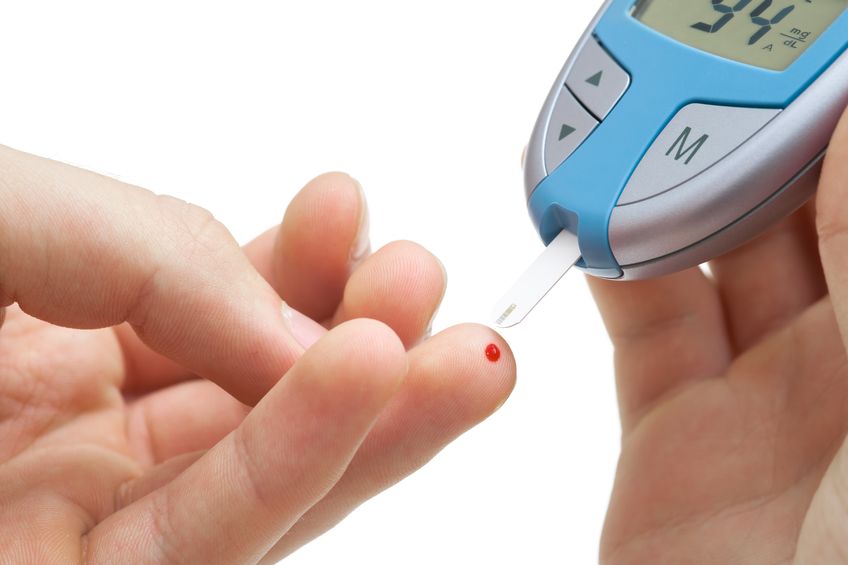
Diabetes is caused by problems with the hormone insulin. Insulin is responsible for regulating blood glucose, lowering it when blood levels are too high. If uncontrolled, high blood glucose levels cause damage to the blood vessels, nerves, eyes, kidneys, and impair proper circulation to the extremities. Complications arising from diabetes if it is uncontrolled over many years include increased risk of heart attack or stroke, loss of vision even leading to blindness, kidney damage, fatty liver, chronic nerve pain, and even increased risk of cancer.(3) Diabetes is classified into two types: type I and type II. Both result from defects in insulin activity and elevated levels of blood glucose, however they present quite differently. For instance, type I typically beings in childhood, and results from immune-mediated destruction of the insulin-secreting cells of the pancreas, called the beta cells. The body’s own immune system attacks and destroys these cells, resulting in the inability to produce insulin. These individuals require daily insulin injections and careful monitoring of their blood glucose in order to maintain normal levels. Type II diabetes usually occurs in adults, and does not involve an immune process. Instead, in type II diabetes, the cells become resistant to insulin, and do not respond properly any more. This means that even though the body secretes insulin in an attempt to lower glucose levels, the cells do not respond by taking up the glucose, and therefore blood levels remain elevated. Type II diabetes is usually managed with oral medications such as metformin, and typically does not require insulin injections until the disease is quite advanced. Diabetes is diagnosed through several tests, including a fasting blood glucose level equal to or greater to than 7.0 mmol/L; blood glucose equal to or greater than 11.0 mmol/L in response to a 75g glucose load, 2 hours after ingestion; or a hemoglobin A1C value equal to or greater than 6.5%.(4) Hemoglobin A1C (HbA1c) is a blood marker that correlates with the average blood glucose levels over the previous three months. While blood glucose fluctuates rapidly in response to food intake and even from day to day, HbA1c is a valuable indicator of blood glucose levels over a longer but recent period of time. Therefore, HbA1c is used by doctors to assess how well diabetes is being managed, since it reflects a three-month average.
The following sections will discuss diet and lifestyle strategies as well as nutritional supplements to help manage diabetes. These strategies are not able to cure type I diabetes, but they will be helpful in helping individuals achieve better glucose control and may reduce the amount of insulin required to maintain control. In individuals with type II diabetes, the following strategies improve glucose control, reduce the need for oral medications, and may even reverse the diagnosis of diabetes.
References
1. American Diabetes Association. Standards of medical care in diabetes–2012. Diabetes Care. 2012;35 Suppl 1:S11-63.
2. Leong A, Dasgupta K, Chiasson JL, Rahme E. Estimating the Population Prevalence of Diagnosed and Undiagnosed Diabetes. Diabetes Care. 2013 May 8. [Epub ahead of print]
3. Franciosi M, Lucisano G, Lapice E, Strippoli GF, Pellegrini F, Nicolucci A. Metformin therapy and risk of cancer in patients with type 2 diabetes: systematic review. PLoS One. 2013;8(8):e71583.
4. Canadian Diabetes Association. Clinical practice guidelines 2013. Diagnosis and screening. Updated 2013. URL: http://guidelines.diabetes.ca/ScreeningAndDiagnosis.aspx Accessed 17 August 2013.
Diabetes – A Naturopathic Approach
Part II: Important Diet and Lifestyle Considerations
In part I we reviewed the diagnosis of diabetes. In part II, we discuss the foundational diet and lifestyle strategies that are key to optimal diabetes prevention and management. To provide a context for the following strategies, we first describe two landmark diabetes studies.

In 2001, the New England Journal of Medicine published a ground-breaking Finnish study.(1) Researchers studied 522 middle-aged, overweight subjects with an average body mass index (BMI) of 31, and who had pre-diabetes (borderline high blood glucose levels). These subjects were randomized to either a treatment group or a control group to see whether the test strategy could prevent progression to full-blown diabetes. The test strategy, now known as the Diabetes Prevention Program, was a comprehensive diet and lifestyle program of individualized counselling aimed at reducing weight, total intake of fat, and intake of saturated fat, while increasing intake of fibre and physical activity. At the end of three years, 11% of subjects in the treatment group developed diabetes, while 23% of the control group had diabetes. The subjects who received the program had a 58% reduced risk of progressing to diabetes compared to the control group, and this was associated with modest weight loss of between 3-4kg (7-10 lb). A similar American study was also published in the New England Journal the following year: a similar diet and lifestyle program was compared to the medication metformin, or placebo.(2) Over 3200 patients took part. As with the first study, the diet and lifestyle program was more effective than placebo as well as the medication for reducing the risk of developing diabetes. The lifestyle intervention reduced the incidence of diabetes by 58 percent, while metformin reduced diabetes by 31 percent compared with placebo. These studies are so important because they clearly demonstrated for the first time that diabetes is preventable especially in patients who already have pre-diabetes through a comprehensive program of diet and lifestyle change. Furthermore, only the Finnish study was the only one to measure subject’s compliance with recommendations. When analysed by how compliant subjects were in adhering to the program, those who met four of five targets throughout the program did not develop any cases of diabetes. Targets for these studies were:
- Weight reduction of 5% of initial body weight
- Fat intake <30% of energy intake
- Saturated fat intake <10% of energy intake
- Fiber intake >= 15g per 1000 kcal
- Exercise > 4h per week
In addition to these targets, following a diet similar to the Mediterranean dietary pattern has been reproducibly been shown to reduce risk of developing diabetes(3) as well as improve glycemic control in patients with existing diabetes(4,5) and reduce risk of heart disease .(6,7) In particular, the now-famous Lyon heart study found that the Mediterranean diet was able to reduce complications in patients with established heart disease.(8) Finally, it is considered appropriate to implement a lower carbohydrate diet consisting of between 25-45% carbohydrate.(9,10) It is important to note that this is certainly not the same as an ultra low carb diet such as the Atkins diet, however it is slightly lower than a typical Canadian diet that often consists of 55-60% or more as carbohydrate. In part III, we will discuss the role of key “prescription foods” in the management of diabetes.
References
1. Tuomilehto J, Lindström J, Eriksson JG, Valle TT, Hämäläinen H, Ilanne-Parikka P, et al. Prevention of type 2 diabetes mellitus by changes in lifestyle among subjects with impaired glucose tolerance. N Engl J Med. 2001;344(18):1343-50.
2. Knowler WC, Barrett-Connor E, Fowler SE, Hamman RF, Lachin JM, Walker EA, et al. Reduction in the incidence of type 2 diabetes with lifestyle intervention or metformin. N Engl J Med. 2002;346(6):393-403.
3. InterAct Consortium, Romaguera D, Guevara M, Norat T, Langenberg C, Forouhi NG, et al. Mediterranean diet and type 2 diabetes risk in the European Prospective Investigation into Cancer and Nutrition (EPIC) study: the InterAct project. Diabetes Care. 2011;34(9):1913-8.
4. Itsiopoulos C, Brazionis L, Kaimakamis M, Cameron M, Best JD, O’Dea K, et al. Can the Mediterranean diet lower HbA1c in type 2 diabetes? Results from a randomized cross-over study. Nutr Metab Cardiovasc Dis. 2011;21(9):740-7.
5. Esposito K, Maiorino MI, Di Palo C, Giugliano D; Campanian Postprandial Hyperglycemia Study Group. Adherence to a Mediterranean diet and glycaemic control in Type 2 diabetes mellitus. Diabet Med. 2009;26(9):900-7.
6. Mozaffarian D, Marfisi R, Levantesi G, Silletta MG, Tavazzi L, Tognoni G, et al. Incidence of new-onset diabetes and impaired fasting glucose in patients with recent myocardial infarction and the effect of clinical and lifestyle risk factors. Lancet. 2007;370(9588):667-75.
7. Antonopoulou S, Fragopoulou E, Karantonis HC, Mitsou E, Sitara M, Rementzis J, et al. Effect of traditional Greek Mediterranean meals on platelet aggregation in normal subjects and in patients with type 2 diabetes mellitus. J Med Food. 2006;9(3):356-62.
8. de Lorgeril M, Salen P, Martin JL, Monjaud I, Delaye J, Mamelle N. Mediterranean diet, traditional risk factors, and the rate of cardiovascular complications after myocardial infarction: final report of the Lyon Diet Heart Study. Circulation. 1999;99(6):779-85.
9. American Diabetes Association. Standards of medical care in diabetes–2013. Diabetes Care. 2013;36 Suppl 1:S11-66.
10. American Diabetes Association, Bantle JP, Wylie-Rosett J, Albright AL, Apovian CM, Clark NG, et al. Nutrition recommendations and interventions for diabetes: a position statement of the American Diabetes Association. Diabetes Care. 2008;31 Suppl 1:S61-78.
Diabetes – A Naturopathic Approach
Part III: Diabetes and “Prescription Foods”
In part II we discussed the powerful impact of diet and lifestyle strategies including the Mediterranean dietary pattern in preventing and managing diabetes. In this section we outline the role of specific “prescription foods.” Although initially confusing, this term is simply a way to convey the literal use of food as medicine. When certain foods are consumed on a daily basis in a specific amount (i.e., dose), they have been found to exert specific therapeutic effects, such as lowering blood glucose, lowering blood pressure, and lowering cholesterol.
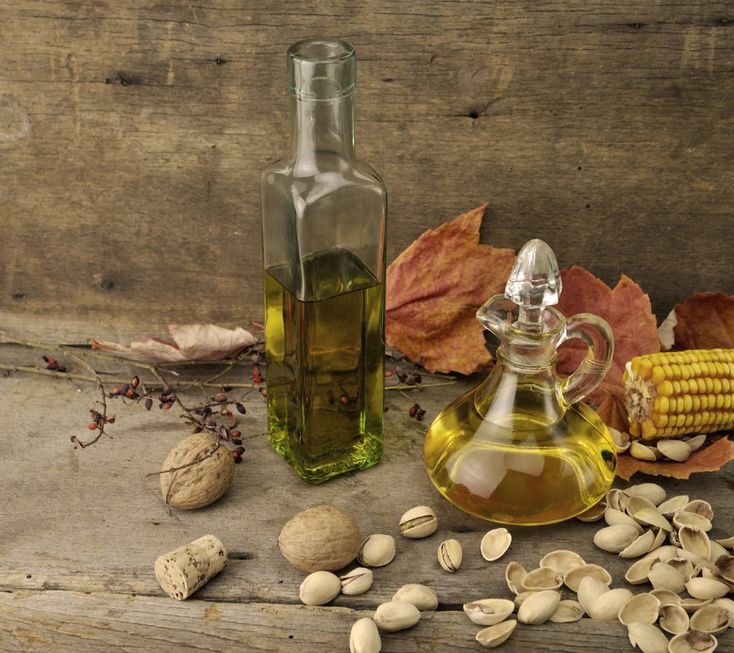
The first of these super foods is raw, extra virgin olive oil. Olive oil is a central ingredient in the Mediterranean diet. It contains healthy, mono-unsaturated fatty acids as well as antioxidant poly-phenols that are thought to be responsible in part for the beneficial heart effects of the Mediterranean diet. When used on its own, consumed at a dose of 2 tablespoons per day, olive oil has been shown to lower blood pressure, cholesterol, and blood glucose.(1,2,3) Extra virgin olive oil may also protect against oxidative damage;(4) since cholesterol oxidation is a critical step in the development of heart disease, the antioxidant effects of the poly-phenols in olive oil may prevent heart disease in this manner. It is crucial to use extra virgin olive oil because it has the highest content of olive oil poly-phenols.(4) Raw nuts are a second important prescription food. Nuts contain protein, unsaturated fat, and complex carbohydrate that help stabilize blood glucose levels. Consumption of one quarter cup of nuts, equivalent to about 14 almonds, walnuts, or pistachios, has been shown to lower blood pressure, lower stress-induced elevations in blood pressure (a risk for developing heart disease), lower cholesterol, and finally, lower blood glucose.(5,6,7) In patients with diabetes, daily consumption of almonds for 12 weeks has been shown to significantly reduce the spike in post-meal glucose levels by 30%, and improve hemoglobin A1C levels by 4%, but did not influence fasting glucose concentrations.(7) Dark chocolate is not only a favourite treat of many, but is also one of the best antioxidants that available, due to the flavonoids present in cocoa.(8) Consumption of dark chocolate (at least 70%) has been shown to improve changes in blood flow that occur with having high blood glucose levels; by affecting arterial function to make blood flow more “smoothly,” there is less damage to the artery walls, slowing the process of atherosclerosis or “plaques”.(9) Dark chocolate has also been shown to lower blood pressure by increasing nitric oxide levels, and improve the body’s response to insulin.(10,11) After dark chocolate, the second best antioxidants available are berries.(12) Berries have been shown to reduce cholesterol and decrease the oxidation of cholesterol.(13,14,15) In patients with pre-diabetes, blueberries have been shown to improve the function of insulin in the body,(15) while in patients with diabetes; blueberries have been shown to lower blood glucose levels.(16) Pomegranate juice has also been shown to have similar effects.(17) Consumption of extra virgin olive oil, raw nuts, dark chocolate, berries, and pomegranate juice possess powerful plant-based poly-phenols that have been shown to improve important therapeutic targets for patients with diabetes, including blood glucose, blood pressure, and cholesterol. In part IV, we will discuss the use of select nutritional supplements.
References
1. Moreno-Luna R, Muñoz-Hernandez R, Miranda ML, Costa AF, Jimenez-Jimenez L, Vallejo-Vaz AJ, et al. Olive oil polyphenols decrease blood pressure and improve endothelial function in young women with mild hypertension. Am J Hypertens. 2012;25(12):1299-304.
2. Damasceno NR, Pérez-Heras A, Serra M, Cofán M, Sala-Vila A, Salas-Salvadó J, et al. Crossover study of diets enriched with virgin olive oil, walnuts or almonds. Effects on lipids and other cardiovascular risk markers. Nutr Metab Cardiovasc Dis. 2011;21 Suppl 1:S14-20.
3. Farnetti S, Malandrino N, Luciani D, Gasbarrini G, Capristo E. Food fried in extra-virgin olive oil improves postprandial insulin response in obese, insulin-resistant women. J Med Food. 2011;14(3):316-21.
4. Covas MI, Nyyssönen K, Poulsen HE, Kaikkonen J, Zunft HJ, Kiesewetter H, et al. The effect of polyphenols in olive oil on heart disease risk factors: a randomized trial. Ann Intern Med. 2006;145(5):333-41.
5. West SG, Gebauer SK, Kay CD, Bagshaw DM, Savastano DM, Diefenbach C, et al. Diets containing pistachios reduce systolic blood pressure and peripheral vascular responses to stress in adults with dyslipidemia. Hypertension. 2012;60(1):58-63.
6. West SG, Krick AL, Klein LC, Zhao G, Wojtowicz TF, McGuiness M, et al. Effects of diets high in walnuts and flax oil on hemodynamic responses to stress and vascular endothelial function. J Am Coll Nutr. 2010;29(6):595-603.
7. Cohen AE, Johnston CS. Almond ingestion at mealtime reduces postprandial glycemia and chronic ingestion reduces hemoglobin A(1c) in individuals with well-controlled type 2 diabetes mellitus. Metabolism. 2011;60(9):1312-7.
8. Davison G, Callister R, Williamson G, Cooper KA, Gleeson M. The effect of acute pre-exercise dark chocolate consumption on plasma antioxidant status, oxidative stress and immunoendocrine responses to prolonged exercise. Eur J Nutr. 2012;51(1):69-79.
9. Grassi D, Desideri G, Necozione S, Ruggieri F, Blumberg JB, Stornello M, et al. Protective effects of flavanol-rich dark chocolate on endothelial function and wave reflection during acute hyperglycemia. Hypertension. 2012;60(3):827-32
10. Sudarma V, Sukmaniah S, Siregar P. Effect of dark chocolate on nitric oxide serum levels and blood pressure in prehypertension subjects. Acta Med Indones. 2011;43(4):224-8.
11. Grassi D, Desideri G, Necozione S, Lippi C, Casale R, Properzi G, et al. Blood pressure is reduced and insulin sensitivity increased in glucose-intolerant, hypertensive subjects after 15 days of consuming high-polyphenol dark chocolate. J Nutr. 2008;138(9):1671-6.
12. Blacker BC, Snyder SM, Eggett DL, Parker TL. Consumption of blueberries with a high-carbohydrate, low-fat breakfast decreases postprandial serum markers of oxidation. Br J Nutr. 2013;109(9):1670-7.
13. Basu A, Fu DX, Wilkinson M, Simmons B, Wu M, Betts NM, Du M, et al. Strawberries decrease atherosclerotic markers in subjects with metabolic syndrome. Nutr Res. 2010;30(7):462-9.
14. Basu A, Du M, Leyva MJ, Sanchez K, Betts NM, Wu M, et al. Blueberries decrease cardiovascular risk factors in obese men and women with metabolic syndrome. J Nutr. 2010;140(9):1582-7.
15. Stull AJ, Cash KC, Johnson WD, Champagne CM, Cefalu WT. Bioactives in blueberries improve insulin sensitivity in obese, insulin-resistant men and women. J Nutr. 2010 Oct;140(10):1764-8.
16. Abidov M, Ramazanov A, Jimenez Del Rio M, Chkhikvishvili I. Effect of Blueberin on fasting glucose, C-reactive protein and plasma aminotransferases, in female volunteers with diabetes type 2: double-blind, placebo controlled clinical study. Georgian Med News. 2006;(141):66-72.
17. Esmaillzadeh A, Tahbaz F, Gaieni I, Alavi-Majd H, Azadbakht L. Concentrated pomegranate juice improves lipid profiles in diabetic patients with hyperlipidemia. J Med Food. 2004;7(3):305-8.
Diabetes – A Naturopathic Approach
Part IV: Supplemental Considerations in Diabetes
In addition to diet and lifestyle and “prescription foods,” use of select nutritional supplements may further improve diabetes control as well as risks associated with having diabetes, such as high blood pressure, risk of heart disease, and risk of eye disease. In this section, we discuss the effects of fish derived omega-3 fatty acids (i.e. fish oil), vitamin D, the herb hibiscus, and coenzyme Q10.
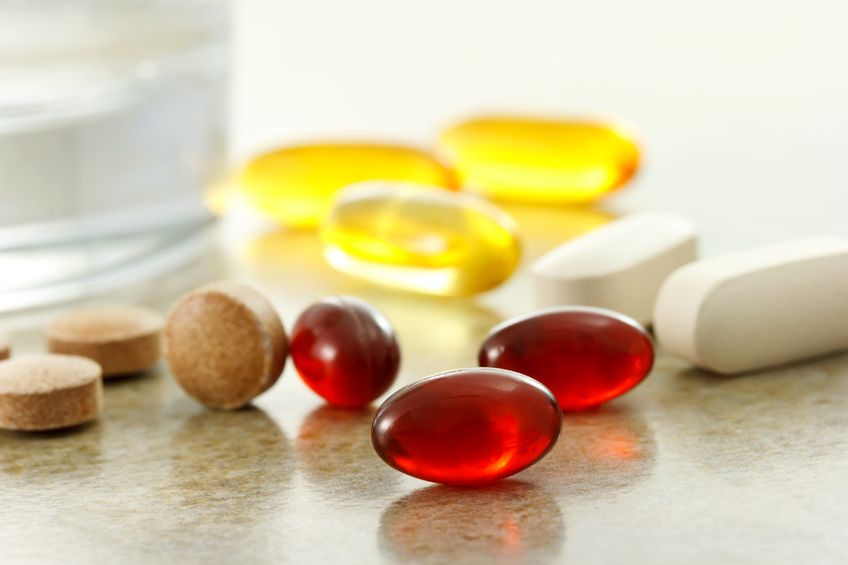
Fish-derived omega-3 fatty acids, eicosapentanoic acid (EPA) and docosahexanoic acid (DHA) present in fish oils, are best known for the effect on lowering the risk of heart disease, particularly in high risk populations. Perhaps the best known study of fish oil for heart disease is the GISSI- Prevenzione study, conducted in Italy and published in the Lancet medical journal.(1) In this study, 1g of EPA+DHA were administered for 3.5 years to patients who had recovered from a heart attack. Fish oil reduced death from heart disease by up to 30% compared to patients who did not receive fish oil.(1)
Vitamin D is an emerging nutrient that appears to have glucose lowering effects. For instance, correcting vitamin D deficiency by supplementing with 4000 IU vitamin D improves insulin function in patients with pre-diabetes.(2) A 2012 meta analysis of vitamin D supplementation for patients with diabetes or impaired glucose tolerance, showed a small benefit on fasting glucose (-0.32 mmol/l) and a small improvement in insulin function in the body.(3) Given the prevalence of vitamin D deficiency among Canadians, vitamin D supplementation is also a good idea for maintaining adequate nutritional status.
Hibiscus sabdariffa is an herb traditionally used in the Middle East as a tea. Recent studies have shown that hibiscus actually possesses an impressive profile of metabolic effects, improving blood glucose, blood pressure, and cholesterol.(4,5,6) Hibiscus has been shown to lower systolic blood pressure by 10 points, comparable to an entry-level blood pressure medication. Given that blood pressure and cholesterol are important risk factors for heart disease, and patients with diabetes are at increased risk of heart disease, hibiscus may be a useful strategy to help manage diabetes.
Coenzyme Q10 is a nutritional supplement that has well- established effects on blood pressure. Blood pressure is an important target in patients with diabetes because not only is it a risk factor for heart disease, as described above, but it is a risk factor for other complications of diabetes such as eye disease and kidney disease.(7) Studies show that supplementation with between 60 to 200mg coenzyme Q10 lowers systolic blood pressure by up to 10 points or more.(8,9,10)
Finally, a comprehensive vision support formula based on plant-based nutrients such as lutein, astaxanthin, zeaxanthin is appropriate for patients with type I diabetes or long standing type II diabetes in order to protect against damage to the retina and the blood vessels of the retina.(11,12) Alpha lipoic acid at 600mg or higher has been shown to both treat and possibly prevent peripheral neuropathy (chronic nerve pain of diabetes).(13) In summary, a comprehensive program built around diet and lifestyle strategies and including the use of prescription foods and nutritional supplements can dramatically improve glycemic control and reduce risk of complications in patients with diabetes.
References
1. Dietary supplementation with n-3 polyunsaturated fatty acids and vitamin E after myocardial infarction: results of the GISSI-Prevenzione trial. Gruppo Italiano per lo Studio della Sopravvivenza nell’Infarto miocardico. Lancet. 1999;354(9177):447-55.
2. Belenchia AM, Tosh AK, Hillman LS, Peterson CA. Correcting vitamin D insufficiency improves insulin sensitivity in obese adolescents: a randomized controlled trial. Am J Clin Nutr. 2013;97(4):774-81.
3. George PS, Pearson ER, Witham MD. Effect of vitamin D supplementation on glycaemic control and insulin resistance: a systematic review and meta-analysis. Diabet Med. 2012;29(8):e142-50.
4. Gurrola-Díaz CM, García-López PM, Sánchez-Enríquez S, Troyo-Sanromán R, Andrade-González I, Gómez-Leyva JF. Effects of Hibiscus sabdariffa extract powder and preventive treatment (diet) on the lipid profiles of patients with metabolic syndrome (MeSy). Phytomedicine. 2010;17(7):500-5.
5. Mozaffari-Khosravi H, Jalali-Khanabadi BA, Afkhami-Ardekani M, Fatehi F, Noori-Shadkam M. The effects of sour tea (Hibiscus sabdariffa) on hypertension in patients with type II diabetes. J Hum Hypertens. 2009;23(1):48-54.
6. Mozaffari-Khosravi H, Jalali-Khanabadi BA, Afkhami-Ardekani M, Fatehi F. Effects of sour tea (Hibiscus sabdariffa) on lipid profile and lipoproteins in patients with type II diabetes. J Altern Complement Med. 2009;15(8):899-903.
7. American Diabetes Association. Standards of medical care in diabetes–2013. Diabetes Care. 2013;36 Suppl 1:S11-66.
8. Chew GT, Watts GF, Davis TM, Stuckey BG, Beilin LJ, Thompson PL, et al. Hemodynamic effects of fenofibrate and coenzyme Q10 in type 2 diabetic subjects with left ventricular diastolic dysfunction. Diabetes Care. 2008;31(8):1502-9.
9. Hodgson JM, Watts GF, Playford DA, Burke V, Croft KD. Coenzyme Q10 improves blood pressure and glycaemic control: a controlled trial in subjects with type 2 diabetes. Eur J Clin Nutr. 2002;56(11):1137-42.
10. Ho MJ, Bellusci A, Wright JM. Blood pressure lowering efficacy of coenzyme Q10 for primary hypertension. Cochrane Database Syst Rev. 2009;(4):CD007435.
11. Murray IJ, Makridaki M, van der Veen RL, Carden D, Parry NR, Berendschot TT. Lutein supplementation over a one-year period in early AMD might have a mild beneficial effect on visual acuity: the CLEAR study. Invest Ophthalmol Vis Sci. 2013;54(3):1781-8.
12. Huang YM, Yan SF, Ma L, Zou ZY, Xu XR, Dou HL, et al. Serum and macular responses to multiple xanthophyll supplements in patients with early age-related macular degeneration. Nutrition. 2013;29(2):387-92.
13. Ziegler D, Ametov A, Barinov A, Dyck PJ, Gurieva I, Low PA, et al. Oral treatment with alpha-lipoic acid improves symptomatic diabetic polyneuropathy: the SYDNEY 2 trial. Diabetes Care. 2006;29(11):2365-70.