

2016-07-17 16:00:00
2021-01-11 15:35:47
Acne vulgaris is the most common dermatological issue seen by physicians. It is a condition that can cause a lot of distress, resulting in lowered self-esteem in some. Mental health scores among acne patients are higher compared to a number of other chronic medical conditions.[1] Often, patients will seek pharmaceutical treatments such as the oral contraceptive pill, spironolactone, or Accutane in order to seek some relief for their skin, which can come with nutrient depletions, risks, and side effects. Naturopathic medicine aims to target the cause of acne and offers safe and effective treatments for long-term resolution of this skin condition.

Diet—The Case against Dairy and Sugar: mTOR
An important study came out in 2012, which concluded that acne was absent in two populations: one who consumed a paleolithic diet with a low glycemic load, and the other, a dairy-free diet. A cellular mechanism was elucidated, which revealed that highglycemic foods and dairy increase levels of IGF-1 and insulin, which then turn on an enzyme called mTOR.[2] mTOR regulates a wide variety of cellular functions, and dysregulation of this enzyme has been shown to result in inflammation, and specifically an acnepromoting effect. A recent study by Monfrecola et al. (2016) found that mTOR expression is increased in the skin of acne patients.[3] Thus, a diet deficient in dairy and high-glycemic foods is an effective dietary strategy for reducing acne by means of reducing expression of the mTOR enzyme.
Berberine, Healing the Gut, and Probiotics
Berberis vulgaris is a herb well-known for its antimicrobial, anti-inflammatory and insulinsensitizing activity. In a 2012 study, 600 mg berberine was prescribed for four weeks to teenagers suffering from moderate to severe acne vulgaris. After this treatment period, the total amount of lesions as well as the mean acne severity score declined by 45% compared to placebo.[4] Berberine has been shown to be an effective antimicrobial therapy for small intestine bacterial overgrowth (SIBO), a condition estimated to affect 64% of patients with irritable bowel syndrome (IBS).[6] IBS is a condition of increased intestinal permeability, and studies have shown increased intestinal permeability in patients with acne vulgaris, which demonstrates the need for treating IBS and testing for conditions such as SIBO, if gastrointestinal symptoms are reported. A study reported that 54% of the acne patients in their study have marked alterations to their intestinal microflora. Another study showed that the consumption of a Lactobacillusfermented beverage improved the clinical outcome of acne over 12 weeks. Probiotics have been shown to regulate the release of inflammatory cytokines in the skin, and therefore have value in the treatment of acne.[1]
Vitamin A, Vitamin E, and Zinc

Vitamin A is essential for normal differentiation and maintenance of epithelial tissues in the skin and mucous membranes. Vitamin A in the retinol form has been studied as an effective therapy for acne vulgaris.[7] One mechanism of retinol is the regulation of the IL-17 response induced by Propionibacterium acnes, a bacterium shown to play a significant role in the pathogenesis of acne.[8] Hypervitaminosis occurs with intake of more than 18,000–60,000 IU vitamin A per day for children and 50,000–100,000 IU for adults. As vitamin A is fat-soluble, liver enzymes should be checked prior to starting treatment and three months after treatment. Vitamin A is contraindicated during pregnancy, as retinols freely cross the placenta, causing severe fetal malformations including craniofacial deformities, bone and cardiovascular abnormalities, and endocrine malfunctions.[7] Pregnancy should be ruled out before commencement of vitamin A therapy.
A 2014 study by Ozuguz et al evaluated the serum levels of vitamin E and zinc according to the severity of acne vulgaris.[9] They found a negative correlation between acne severity and vitamin E and zinc levels, supporting the use of these important nutrients in acne prevention and treatment. A study by Breno et al (2001) found a total pimple count decrease of 49.8% when acne patients took 30 mg of zinc gluconate for three months.[10]
Omega‑3 Fatty Acid and Gamma‑ Linolenic Acid (GLA)
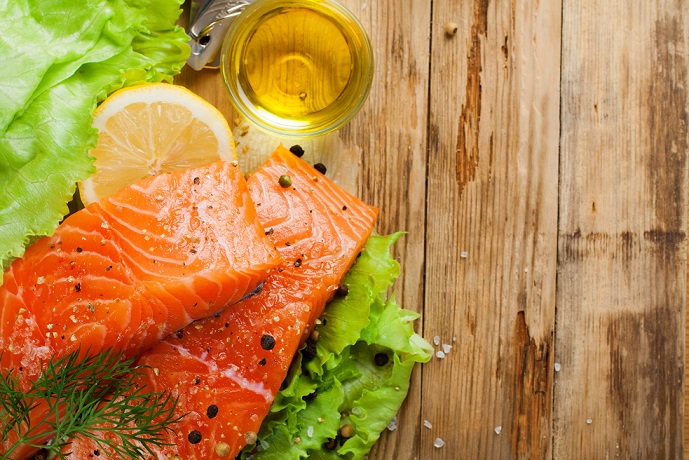
Omega-3 fatty acids are known for their anti-inflammatory action, and have been studied specifically to exhibit anti-inflammatory effects on the skin epidermis. Yoon et al (2014) evaluated the clinic efficacy of omega-3 fatty acids and gamma-linolenic acid (GLA) for the treatment of mild to moderate acne in the first randomized, double-blind, controlled study done on these acids in the context of acne. In their study, after 10 weeks of both omega-3 fatty acid and GLA supplementation, inflammatory and noninflammatory acne lesions decreased significantly. Patient-subjective assessment improved, and staining of the acne lesions showed a reduction in staining intensity. Thus, omega-3 fatty acids and GLA are effective, adjuvant therapies for acne vulgaris.[11]
Addressing Hormonal Imbalance
Various acne treatments target different steps in the pathogenesis of acne, from decreasing inflammation to reducing P. acnes proliferation. Another common target in the pathogenesis of acne is addressing hormonal imbalance and, most commonly, counteracting hyperandrogenism. Clinical trials have shown that oral contraceptives can be helpful in reducing acne by decreasing levels of free testosterone by increasing sex-hormone-binding globulin. Another oral antiandrogen prescribed is spironolactone, a 5-alpha reductase inhibitor that has been shown to be effective in improving acne.[12] The use of botanically derived inhibitors of 5-alpha reductase offers promise in the treatment of acne; however, more studies are required at this time.
Topical Support
 A recommendation for effective topical cleansing products in addition to supplements and dietary strategies offers a full holistic plan for treating acne vulgaris. An effective cleanser should remove the excessive sebum and reduce inflammation at the level of the skin. Glycolic acid is a naturally occurring alpha-hydroxyl acid that has been shown to reduce the appearance of inflammatory eruptions on the skin. In a study by Abels et al (2014), application of a cleansing product with glycolic acid improved mild acne significantly following a twice-daily application for six weeks as monotherapy.[13]
Conclusion
There are many effective treatment options for acne vulgaris as evidenced by the research discussed in this article. A successful naturopathic approach to treating acne vulgaris will involve addressing the cause of the individual’s acne (e.g. inflammation, overgrowth of P. acnes, hyperandrogenism) using a multifaceted, holistic approach including dietary strategies, supplementation, and topical support.
Références
- Bowe, W. and A. Logan. “Acne vulgaris, probiotics and the gut-brain-skin-axis—Back to the future?” Gut Pathogens Vol. 3, No. 1 (2011): 1.
- Melnik, B.C. “Diet in acne: Further evidence for the role of nutrient signalling in acne pathogenesis.” Acta Dermato-Venereologica Vol. 92, No. 3 (2012): 228–233.
- Monfrecola, G. and S. Lembo. “Mechanistic target of rapamycin (mTOR) expression is increased in acne patients’ skin.” Experimental Dermatology Vol. 25, No. 2 (2016): 153–155.
- Fouladi, R.F. “Aqueous extract of dried fruit of Berberis vulgaris L. in acne vulgaris: A clinical trial.” Journal of Dietary Supplements Vol. 9, No. 4 (2012): 253–261.
- Chedid, V. and S. Dhalla. “Herbal therapy is equivalent to rifaximin for the treatment of small intestinal bacterial overgrowth.” Global Advances in Health and Medicine Vol. 3, No. 3 (2014): 16–24.
- Elewa, R.M. and C.C. Zouboulis. “Vitamin A and the skin.” in Pappas, A. (ed.), Nutrition and skin: Lessons for anti-aging, beauty and healthy skin. Springer Science + Business Media: New York, 2011, 228 p. (here p. 7–24).
- Agak, G.W. and M. Qin. “Propionibacterium acnes induces an IL-17 response in acne vulgaris that is regulated by vitamin A and vitamin D.” The Journal of Investigative Dermatology Vol. 134, No. 2 (2014): 366–373.
- Ozuguz, P. and K. Dogruk. “Evaluation of serum vitamins A and E and zinc levels according to the severity of acne vulgaris.” Cutaneous and Ocular Toxicology Vol. 33, No. 2 (2014): 99–102.
- Dreno, B. and D. Moyse. “Multicenter randomized comparative double-blind controlled clinical trial of the safety and efficacy of zinc gluconate versus minocycline hydrochloride in the treatment of inflammatory acne vulgaris.” Dermatology Vol. 203, No. 2 (2001): 135–140.
- Yoon, J. and H. Hyuck. “Effect of dietary supplementation with omega-3 fatty acid and gamma-linolenic acid on acne vulgaris: A randomised, double-blind, controlled trial.” Acta Dermato-Venereologica Vol. 94, No. 5 (2014): 521–525.
- Kraft, J. and A. Freiman. “Management of acne.” Canadian Medical Association Journal Vol. 183, No. 7 (2011): E430–E435.
- Abels, C. and H. Reich. “Significant improvement in mild acne following a twice daily application for 6 weeks of an acidic cleansing product (pH 4).” Journal of Cosmetic Dermatology Vol. 13, No. 2 (2014): 103–108.