

2013-08-26 09:19:52
2021-05-25 12:49:28
| Jump to: | Part 1 | Part 2 | Part 3 | Part 4 |
Part I: Natural Health Products in Pregnancy
An emerging area of study is dedicated to studying the impact of early life factors including nutrition on the development of disease later on in life. The fetal origins of adult disease (FOAD) is a field devoted to investigating the link between maternal/fetal conditions during prenatal life, and chronic disease risk in adult life. Although this makes intuitive sense, the extent of its influence was not realized until relatively recently.

The health outcomes of offspring from several cohorts of women, including women who were pregnant during disasters such as the Dutch Famine (1944), began to be documented about 20 years ago.(1) Dr. Barker, one of the pioneers in this research, and others have published several studies demonstrating associations between low birth weight and increased risk of cardiovascular disease, high blood pressure, and diabetes in adult life.(2-5) Low birth weights thought to be an adaptive response to conditions of low nutrients and/ or high levels of maternal stress in utero; these factors influence fetal programming during development, in particular programming of the parts of the brain that control one’s response to stress such as the hypothalamic-pituitary-adrenal (HPA) axis.(6, 7) This causes the offspring to be wired with an overly sensitive stress response. Indeed, studies have shown that offspring with lower birth weight have been shown to have higher levels of cortisol, “the stress hormone,” during adulthood.(8) More recently, maternal high blood pressure during pregnancy has been associated with increased reports of cognitive problems when the offspring reach old age,(9) while high blood sugar during pregnancy or gestational diabetes has been associated with high cholesterol, low-grade inflammation of blood vessels, and a state called endothelial dysfunction, all of which predict risk of heart disease.(10, 11) Animal studies have yielded even more information about how the fetal body adapts to an adverse environment in utero, and how these adaptations then influence risk of disease later on in life. Although the focus of this fascinating area is certainly not limited to nutritional factors only, the idea that the early life environment powerfully programs the baby for life-long health clearly illustrates the importance of good nutrition during pregnancy. By extension, supplementation with a selection of natural agents has been shown to influence the development of the nervous and immune systems in such a way as to reduce the risk of specific childhood diseases. An excellent example of this is folic acid and use of a prenatal multivitamin. Folic acid is well recognized for its ability to reduce the risk of neural tube defects. Further research has been conducted on the benefits of taking a prenatal multivitamin. Meta analyses have demonstrated that taking a multivitamin is associated with significantly decreased risk of five other birth defects as well, including heart defects, in addition to reducing risk of three pediatric cancers including leukemia and brain tumors.(12, 13) In Part II we discuss the influence of maternal dietary patterns on health outcomes of the offspring, while in subsequent parts we discuss the effects of omega-3 fatty acids and probiotics when taken during pregnancy.
Références
1. Roseboom TJ, van der Meulen JH, Ravelli AC, Osmond C, Barker DJ, Bleker OP. Effects of prenatal exposure to the Dutch famine on adult disease in later life: an overview. Twin Res. 2001 Oct;4(5):293-8.
2. Mogren I, Högberg U, Stegmayr B, Lindahl B, Stenlund H. Fetal exposure, heredity and risk indicators for cardiovascular disease in a Swedish welfare cohort. Int J Epidemiol. 2001;30(4):853-62.
3. Barker DJ. The developmental origins of adult disease. J Am CollNutr. 2004;23(6 Suppl):588S-595S.
4. Barker DJ, Osmond C, Kajantie E, Eriksson JG. Growth and chronic disease: findings in the Helsinki Birth Cohort. Ann Hum Biol. 2009;36(5):445-58.
5. Henry SL, Barzel B, Wood-Bradley RJ, Burke SL, Head GA, Armitage JA. Developmental origins of obesity-related hypertension.ClinExpPharmacol Physiol. 2012;39(9):799-806.
6. Bertram CE, Hanson MA. Prenatal programming of postnatal endocrine responses by glucocorticoids. Reproduction. 2002;124(4):459-67.
7. Reynolds RM. Glucocorticoid excess and the developmental origins of disease: two decades of testing the hypothesis–2012 Curt Richter Award Winner. Psychoneuroendocrinology. 2013;38(1):1-11.
8. Phillips DI, Walker BR, Reynolds RM, Flanagan DE, Wood PJ, Osmond C, et al. Low birth weight predicts elevated plasma cortisol concentrations in adults from 3 populations. Hypertension. 2000;35(6):1301-6.
9. Tuovinen S, Eriksson JG, Kajantie E, Lahti J, Pesonen AK, Heinonen K, et al. Maternal hypertensive disorders in pregnancy and self-reported cognitive impairment of the offspring 70 years later: the Helsinki Birth Cohort Study. Am J Obstet Gynecol. 2013;208(3):200.e1-9.
10. Lehnen H, Zechner U, Haaf T. Epigenetics of gestational diabetes mellitus and offspring health: the time for action is in early stages of life. Mol Hum Reprod. 2013 Apr 4. [Epub ahead of print]
11. Vrachnis N, Antonakopoulos N, Iliodromiti Z, Dafopoulos K, Siristatidis C, Pappa KI, et al. Impact of maternal diabetes on epigenetic modifications leading to diseases in the offspring. Exp Diabetes Res. 2012;2012:538474.
12. Goh YI, Bollano E, Einarson TR, Koren G. Prenatal multivitamin supplementation and rates of pediatric cancers: a meta-analysis. ClinPharmacolTher. 2007;81(5):685-91.
13. Goh YI, Bollano E, Einarson TR, Koren G. Prenatal multivitamin supplementation and rates of congenital anomalies: a meta-analysis. J ObstetGynaecol Can. 2006;28(8):680-9.
Natural Health Products in Pregnancy
Part II: Diet in Pregnancy
In Part I we reviewed the concept of the Fetal Origins of Adult Disease. This area of research emphasizes the critical influence that nutritional/ environmental factors in utero have on fetal programming and risk of chronic disease in the offspring. With the importance of nutrition in mind then, one may reasonably ask: What does a healthy diet in pregnancy consist of?
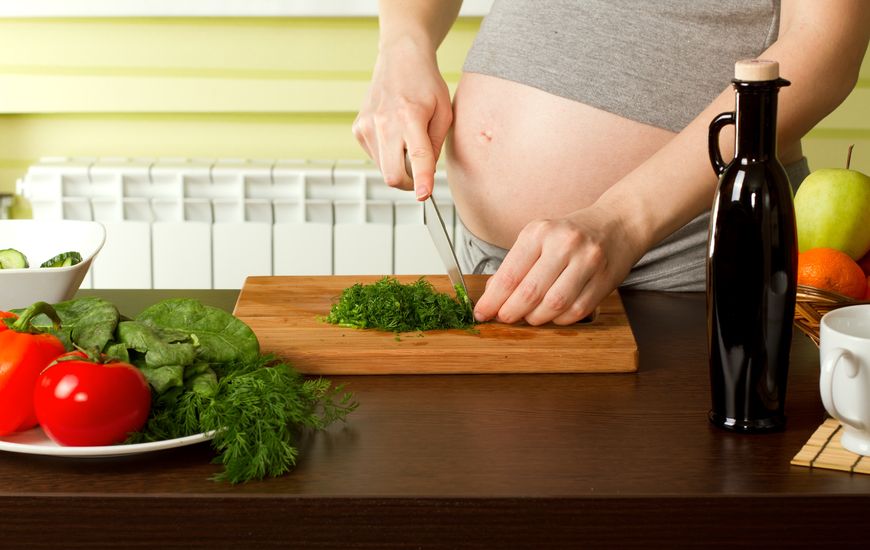
The Mediterranean dietary pattern consists of increased consumption of the following: fruits and vegetables, whole grains, omega-9 fatty acids (olive oil), omega-3 fatty acids (flax oil, fish), and nuts, and decreased intake of: refined/ processed foods and saturated fats of animal origin.(1, 2) The Mediterranean dietary pattern is best known for its well-documented benefits in the contexts of heart disease and weight management. More recently, it has been studied for its effects in pregnancy, with surprising outcomes. Following a Mediterranean dietary pattern during pregnancy has been associated with decreased risk of wheeze, asthma, and rhinitis in children,(3) as well as decreased risk of having preterm birth.(4) Wheeze, asthma, eczema, and rhinitis (chronic “runny nose”) are atopic conditions, meaning that they arise as a result of an immune hypersensitivity. Factors in pregnancy can powerfully influence the development of the immune system. One study including over 1700 preschool children found that higher maternal adherence to the Mediterranean diet during pregnancy was associated with a 33% decrease in risk of wheeze.(5) A similar Spanish study found that adherence to the Mediterranean diet was protective for persistent wheeze, atopic wheeze, and atopy when the child was aged six years.(3) Conversely, children of mothers who had low intake of leafy vegetables were found to have 50% increased risk of wheeze.(6) A Danish study following over 35 thousand women found that adherence to the Mediterranean diet during pregnancy was associated with 40% decreased risk of having preterm birth, and 70% decreased risk of having early preterm birth.(4) In this study, adherence to the Mediterranean diet was defined as the following: consumed fish twice a week or more, used olive or rape seed oil, consumed 5+ fruits and vegetables a day, ate meat (other than poultry and fish) at most twice a week, and drank at most 2 cups of coffee a day. In addition to the diet in general, specific foods have been shown to have protective effects. Olive oil contains the omega-9 fatty acid called oleic acid; this component has anti-inflammatory and cardio-protective effects.(7) In a Spanish study of over 1400 infants and mothers, higher olive oil intake in pregnancy was associated with a greater than 40% reduced risk of developing wheeze.(8) In Part IV we will also discuss the benefit of fish or fish oil intake. First, though, we discuss the developmental effects of probiotics on the immune system (Part III).
Références
1. deLorgeril M, Salen P, Martin JL, Monjaud I, Delaye J, Mamelle N. Mediterranean diet, traditional risk factors, and the rate of cardiovascular complications after myocardial infarction: final report of the Lyon Diet Heart Study. Circulation. 1999;99(6):779-85.
2. Estruch R, Ros E, Salas-Salvadó J, Covas MI, Corella D, Arós F, et al; PREDIMED Study Investigators. Primary prevention of cardiovascular disease with a Mediterranean diet. N Engl J Med. 2013;368(14):1279-90.
3. Chatzi L, Torrent M, Romieu I, Garcia-Esteban R, Ferrer C, Vioque J, et al. Mediterranean diet in pregnancy is protective for wheeze and atopy in childhood. Thorax. 2008;63(6):507-13.
4. Mikkelsen TB, Osterdal ML, Knudsen VK, Haugen M, Meltzer HM, Bakketeig L, et al. Association between a Mediterranean-type diet and risk of preterm birth among Danish women: a prospective cohort study. ActaObstetGynecol Scand. 2008;87(3):325-30.
5. Castro-Rodriguez JA, Garcia-Marcos L, Alfonseda Rojas JD, Valverde-Molina J, Sanchez-Solis M. Mediterranean diet as a protective factor for wheezing in preschool children. J Pediatr. 2008;152(6):823-8, 828.e1-2.
6. Erkkola M, Nwaru BI, Kaila M, Kronberg-Kippilä C, Ilonen J, Simell O, et al. Risk of asthma and allergic outcomes in the offspring in relation to maternal food consumption during pregnancy: a Finnish birth cohort study. Pediatr Allergy Immunol. 2012;23(2):186-94.
7. Papageorgiou N, Tousoulis D, Psaltopoulou T, Giolis A, Antoniades C, Tsiamis E, et al. Divergent anti-inflammatory effects of different oil acute consumption on healthy individuals. Eur J ClinNutr. 2011;65(4):514-9.
8. Castro-Rodriguez JA, Garcia-Marcos L, Sanchez-Solis M, Pérez-Fernández V, Martinez-Torres A, et al. Olive oil during pregnancy is associated with reduced wheezing during the first year of life of the offspring. PediatrPulmonol. 2010;45(4):395-402.
Natural Health Products in Pregnancy
Part III: Probiotics in Pregnancy: Immune Development
In Part II, we discussed the impact of the Mediterranean diet during pregnancy on the development of atopy in children. Atopy is one of the most common childhood conditions, but it often lingers into adulthood as well; therefore strategies for prevention are important to consider, especially if there is a family history of atopy or allergic disease.

Atopy is an umbrella term for a number of illnesses, all of which share a common underlying process. Typically, these illnesses develop over the course of early life, with eczema usually presenting in the first year of life, followed by wheeze/ asthma by age six or seven. Seasonal or environmental allergies often occur by the teenage years or early adulthood. This progression is called “the atopic march.” All of these diseases share a common theme in that they are all conditions of immune hypersensitivity. This means that the immune system reacts to triggers or allergens in the environment that it should normally tolerate, for instance dust or pollen. Probiotics, supplements that contain specific strains of “good bacteria,” have been extensively researched as agents that can help teach the immune system to be more tolerant, especially if given during pregnancy and the early months of life when the immune system is developing. For instance, a recent study found that giving a combination of Lactobacillus and Bifidobacterium strains to the mother for two months before delivery and for two months after birth resulted in half the risk of chronic eczema during the first two years of life, compared to those babies whose mothers received placebo.(1) Another study examined the effect of probiotic administration (Lactobacillus) from one month before birth to six months after birth.(2) This study found protective effects against development of eczema as well as rhinoconjunctivitis (allergic runny nose and eyes), and this effect lasted up to four years of age even though the probiotic in this case was discontinued at six months of age. It initially may seem strange that bacteria living in the gut can “train” the immune system, which acts throughout the body! In fact, there is a large population of specialized immune cells that live in gut; bacteria interact with these cells to help “tell” them how to react to various food and other proteins that are presented to the immune system.(3) Administration of probiotics during pregnancy has actually been shown to change the expression of toll-like receptor (TLR) genes in the fetal intestine;(4) these genes are critical for appropriate signaling between immune cells. This amazing system shows the beautiful complexity of the human body! Next, we discuss the effects of fish oil in pregnancy…
Références
1. Rautava S, Kainonen E, Salminen S, Isolauri E. Maternal probiotic supplementation during pregnancy and breast-feeding reduces the risk of eczema in the infant. J Allergy ClinImmunol. 2012;130(6):1355-60.
2. Wickens K, Black P, Stanley TV, Mitchell E, Barthow C, Fitzharris P, et al. A protective effect of Lactobacillus rhamnosus HN001 against eczema in the first 2 years of life persists to age 4 years. ClinExp Allergy. 2012;42(7):1071-9.
3. Rautava S, Luoto R, Salminen S, Isolauri E. Microbial contact during pregnancy, intestinal colonization and human disease. Nat Rev GastroenterolHepatol. 2012;9(10):565-76.
4. Rautava S, Collado MC, Salminen S, Isolauri E. Probiotics modulate host-microbe interaction in the placenta and fetal gut: a randomized, double-blind, placebo-controlled trial. Neonatology. 2012;102(3):178-84.
Natural Health Products in Pregnancy
Part IV: Omega-3 Fatty Acids in Pregnancy
In earlier sections we discussed the effects of maternal diet and probiotic supplementation on early immune development. In this part, we discuss the effect of fish and fish oil consumption. Fish oil modulates both immune, as well as cognitive, development.
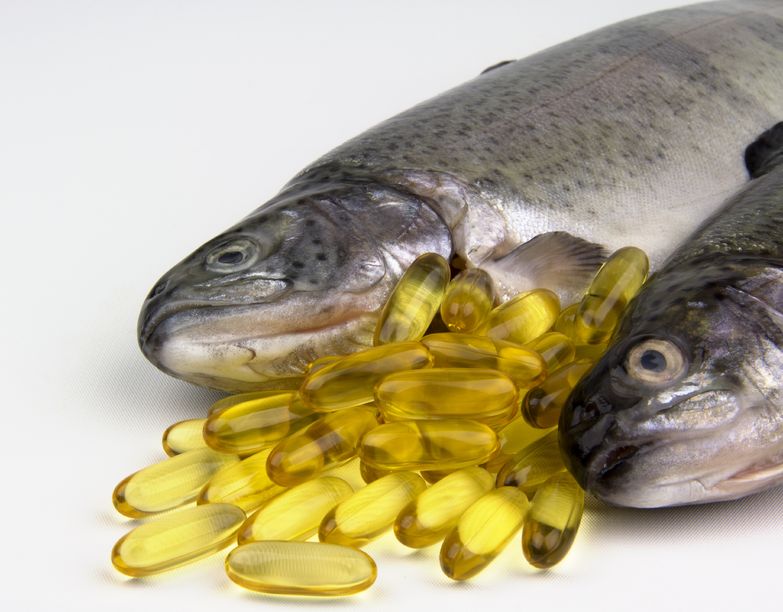
Fish derived omega-3 fatty acids include eicosapentanoic acid (EPA) and docosahexanoic acid (DHA). EPA and DHA have anti-inflammatory effects, EPA has mood regulating effects, and DHA is a structural component for the brain and spinal cord as well as the retina of the eye.(1, 2) Large studies have shown that higher maternal consumption of fish can reduce childhood risk of asthma and other atopic disease. A study of over 28 thousand Danish women found that the offspring of those consuming fish more than two to three times a week during pregnancy had decreased risk of asthma, hospitalization for asthma, and medications for asthma, compared to children of mothers who never ate fish.(3) Another study found that children whose mothers had higher levels of omega-3 fatty acids in their breast milk had decreased risk of atopy in infancy.(4) Fetal dysregulation of immune cells called T helper (Th) cells is thought to predispose to allergy, and high levels of Th2/ Th1 cellsin the umbilical cord blood have been shown to precede development of allergic diseases.(5) A study of 98 mother-baby pairs found that those who had received fish oil supplementation during pregnancy had lower levels of specific inflammatory cytokinesor chemicals produced by these T cells in umbilical cord blood at birth.(5) This shows that administration of fish oil starts affecting immune system development as early as birth and may protect against allergic disease. Fish derived fatty acids, particularly DHA, are also critical in fetal neurodevelopment. One review from Harvard estimated that “increasing maternal docosahexaenoic acid (DHA) intake by 100 mg/day increases child IQ by 0.13 points”.(6) Supplementation with fish oil during pregnancy has been shown to achieve the following outcomes: significantly better eye and hand coordination, better performance on problem solving tests, better scores on tests of comprehension and mental processing.(7-9) On the other hand, low fish intake has been associated with suboptimal scores for communication, fine motor, and social development.(10) Since there is some controversy about possible mercury exposure through such frequent consumption of fish during pregnancy, supplementation with fish oil may be a better alternative. A minimum of 300mg DHA is recommended in pregnancy, however this should be balanced by twice this amount of EPA to protect maternal mood. Pregnancy sets the foundation for lifelong health for the offspring, and pregnant women should be encouraged to make sure they are receiving optimal nutrition at this critical time.
Références
1. Klemens CM, Berman DR, Mozurkewich EL. The effect of perinatal omega-3 fatty acid supplementation on inflammatory markers and allergic diseases: a systematic review. BJOG. 2011;118(8):916-25.
2. Miyake Y, Tanaka K, Okubo H, Sasaki S, Arakawa M. Fish and fat intake and prevalence of depressive symptoms during pregnancy in Japan: baseline data from the Kyushu Okinawa Maternal and Child Health Study. J Psychiatr Res. 2013;47(5):572-8.
3. Maslova E, Strøm M, Oken E, Campos H, Lange C, Gold D, et al. Fish intake during pregnancy and the risk of child asthma and allergic rhinitis – longitudinal evidence from the Danish National Birth Cohort. Br J Nutr.2013:1-13.
4. Soto-Ramírez N, Karmaus W, Zhang H, Liu J, Billings D, Gangur V, et al. Fatty acids in breast milk associated with asthma-like symptoms and atopy in infancy: a longitudinal study. J Asthma. 2012;49(9):926-34.
5. Romero VC, Somers EC, Stolberg V, Clinton C, Chensue S, Djuric Z, et al. Developmental programming for allergy: a secondary analysis of the Mothers, Omega-3, and Mental Health Study. Am J Obstet Gynecol. 2013;208(4):316.e1-6.
6. Cohen JT, Bellinger DC, Connor WE, Shaywitz BA. A quantitative analysis of prenatal intake of n-3 polyunsaturated fatty acids and cognitive development. Am J Prev Med. 2005;29(4):366-74.
7. Daniels JL, Longnecker MP, Rowland AS, Golding J; ALSPAC Study Team. University of Bristol Institute of Child Health.Fish intake during pregnancy and early cognitive development of offspring. Epidemiology. 2004;15(4):394-402.
8. Dunstan JA, Simmer K, Dixon G, Prescott SL. Cognitive assessment of children at age 2(1/2) years after maternal fish oil supplementation in pregnancy: a randomised controlled trial. Arch Dis Child Fetal Neonatal Ed. 2008;93(1):F45-50.
9. Judge MP, Harel O, Lammi-Keefe CJ. Maternal consumption of a docosahexaenoic acid-containing functional food during pregnancy: benefit for infant performance on problem-solving but not on recognition memory tasks at age 9 mo. Am J ClinNutr. 2007;85(6):1572-7.
10. Hibbeln JR, Davis JM, Steer C, Emmett P, Rogers I, Williams C, et al. Maternal seafood consumption in pregnancy and neurodevelopmental outcomes in childhood (ALSPAC study): an observational cohort study. Lancet. 2007;369(9561):578-85.