

2018-01-22 15:08:40
2021-01-05 14:21:22
www.annehussain.com
The main difference between postpartum blues and depression lies in the severity and duration of symptoms. These symptoms can include sadness, crying, anxiety, losing interest in things that were previously enjoyable, a lack of desire to be with their newborn, and more. In the blues, these symptoms are present in a mild fashion and have a minimal impact on function.[1]
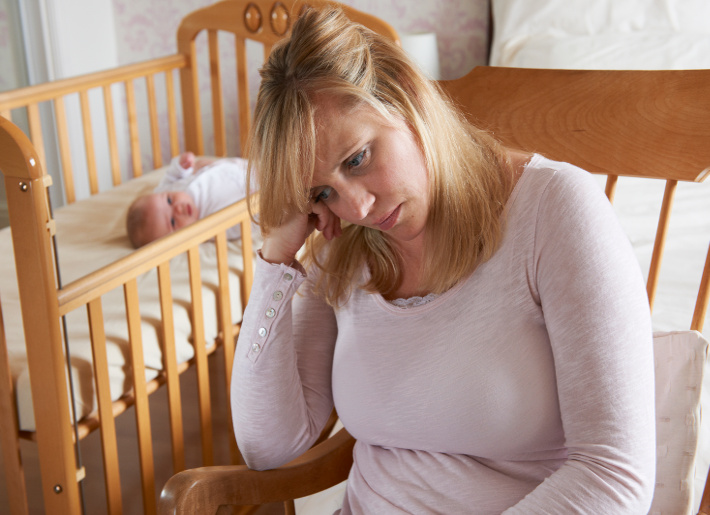
This is not the case with postpartum depression, which does interfere with normal function and is experienced more intensely and for longer. Existing depression, or a history of postpartum depression, increases the risk of experiencing depression postbirth; in fact, up to one in seven women in the U.S. experience this.[1] It is associated with increased infant morbidity and, in mothers, associated with low energy, interferences in sleep and bonding, poor concentration, and more.[1] It is unclear what specifically causes postpartum blues and depression; however, it is safe to presume that there may be a variety of underlying factors such as genetics, past medical history, neurotransmitter issues, thyroid conditions, hormonal imbalances, social issues, and more.[1]
Addressing Deficiencies
Blood work is a simple yet effective way to determine if parameters such as vitamin B12, vitamin D, iron, and/or thyroid issues are contributing factors to low mood. In cases of low B12, supplementation with sublingual tablets or intramuscular/subcutaneous injections of B12 can help tremendously. Our diet is an unpredictable source of B12, since the absorption of this vitamin can vary depending on our gut function.
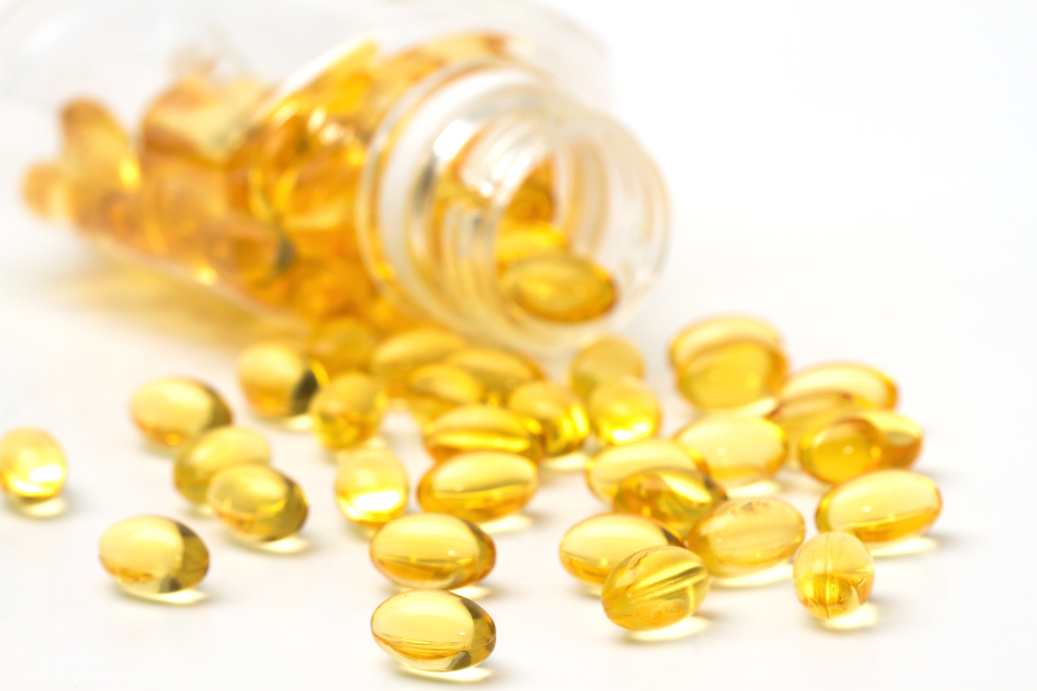
Vitamin D3 supplementation, preferably via liquid emulsions or gel caps, can help address a vitamin D3 deficiency. In Canada, vitamin D deficiency is quite common, especially in the winter months, and it can have a direct impact on mood.
For low iron, there are a variety of different forms available via prescription and over the counter. Similar to B12, iron absorption is variable in different people, and the presence of other minerals such as calcium or certain foods can hinder how much we get from our food. That being said, vitamin C and lysine help with iron absorption, so taking your supplement with foods containing those two compounds can help. Increasing iron-rich food consumption such as red meat, pumpkin seeds, liver, nettle leaf tea, and dark leafy greens can help as well.
To fully understand thyroid issues, it’s important to get more than thyroid-stimulating hormone (TSH) checked. Checking for T3 and T4, our thyroid hormones, as well as reverse T3 and antibodies against our thyroid usually is helpful to elucidate what exactly the thyroid is doing. Then, a treatment plan can be as simple as going on synthetic thyroid hormone or desiccated natural thyroid hormone from animal sources, it can be more supportive with the use of minerals such as iodine and selenium along with herbs, or it can look completely different. Sometimes, thyroid function becomes lower as a result of low iron and/or B12, so supporting optimal levels of those can normalize the thyroid as well.
Other Vitamins, Minerals, and Supplements
Prenatal Vitamin: Continuing your prenatal vitamin, which is essentially a multivitamin, is a simple way to get all the important vitamins and minerals to support your body. The prenatal will also have folic acid in it, which is an important cofactor in energy and anti-inflammatory mechanisms in the body.
Omega 3 Fatty Acids: Omega 3s are an important subgroup of fatty acids that we all need. There are other fatty acids, for example omega 6, that are found in much higher amounts v. the omega 3s in depressed patients as well as those suffering from inflammatory conditions.[2] Although omega 3s can be obtained from fish and marine animals, it is usually not (eaten) enough, which means supplementation is the major route for getting these fatty acids.
Diet and Hydration
Oftentimes, water goes by the wayside when it comes to new mothers. Low mood is common in those who do not drink enough water, so being more aware of water intake (it can be infused with fruits and/or veggies) can help. The same goes for eating—new mums, especially if they don’t have much support, have irregular eating patterns. This means that the body lacks vital nutrients for energy and metabolism, which will impact mood as well.
Lifestyle Factors
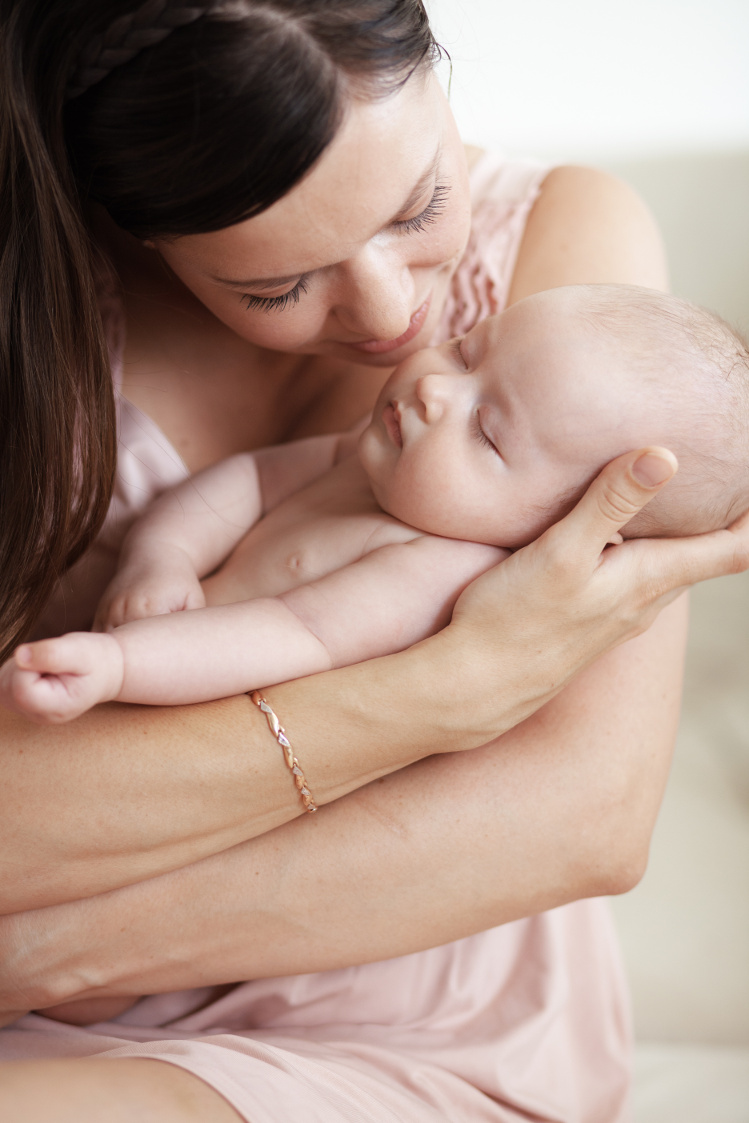
Connecting with Baby: Skin-to-skin contact and spending time with baby can help calm down mum and baby significantly; these practices also help foster healthy attachment and autonomy in baby.
Movement: A little bit of movement goes a long way. At the beginning, when the body is still healing from the experience of childbirth, taking it easy is recommended depending on how the delivery / C section went. After the initial acute stages, movement actually helps with healing as well as mood. Walking and gentle stretches are good places to start and as the body heals, more rigorous exercise can help improve circulation and release endorphins that improve mood and energy.
Ask for and Receive Help: We all need help—sometimes, we need a lot, and sometimes we don’t need much at all. Get help in whatever way you can: A cooked meal; have a friend over to take care of baby while you nap, shower, or go out for a minute; a helpful ear to listen; and/or professional help to assist you as you transition into a different period of your life.
Massage and Aromatherapy: Massage, especially with aromatherapy, has been shown to improve the physical and mental status of mum in the postpartum period and also help with connecting with baby.[3]
Change of Scenery: Going outdoors for a walk, meeting with loved ones, joining a mom-and-baby group, and going somewhere you enjoy can be simple measures to help elevate your mood.
Herbs
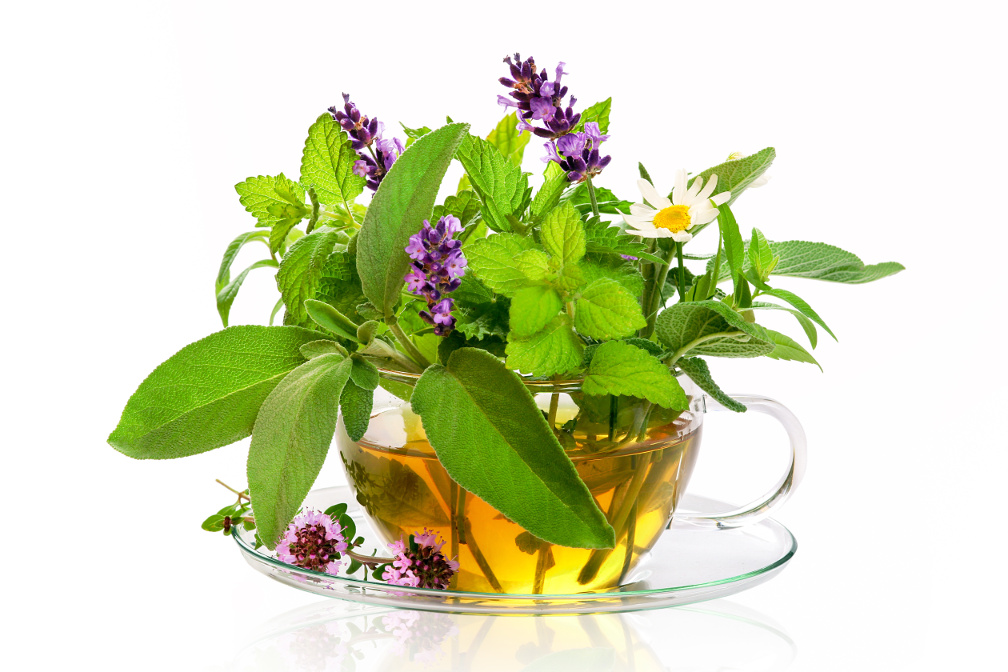
Chamomile (Matricaria reticulata): Chamomile is a nervine tonic—it soothes the nerves, whether someone is feeling up or down. It is an herb that is safe for postpartum use and, in dilute doses, for infants as well; in fact, it is an herb that can help improve milk production.[4] The best way to get chamomile is by drinking the tea—it has been shown to improve sleep quality and alleviate depression in postpartum mums.[5]
Lavender (Lavandula angustifolia): Lavender, like chamomile, is a soothing herb. It has been shown to help with stress, anxiety, sleep, and depression in healthy and depressed postpartum women.[6] Lavender tea has similar effects, whereby it helps reduce anxiety, alleviate depression, and improve sleep quality.[7][8]
Skullcap (Scutellaria lateriflora): Skullcap is another nervine herb that helps not only with anxiety, but also with depression. It has been shown to elevate mood and reverse depressive-like behaviours.[9][10]
St. John’s Wort (Hypericum perforatum): This herb has been shown to improve those experiencing depression, with results comparable to those of conventional antidepressants, and it does so postdelivery as well.[11] Research shows that this herb, given in specific doses, is safe for mum and baby while breastfeeding, but caution should be used while the woman is pregnant.[12][13]
Conclusion
There are many simple and complex approaches to postpartum depression, many of which will increase energy in new mothers as well. It’s important to consult with a health-care professional before implementing a plan beyond diet, exercise, and lifestyle changes to help you get the care you need to feel better.
Références
- Langan, R, and A.J. Goodbred. “Identification and management of peripartum depression.” American Family Physician. Vol. 93, No. 10 (2016): 852–858.
- Lin, P.Y., et al. “Polyunsaturated fatty acids in perinatal depression: A systematic review and meta-analysis.” Biological Psychiatry. Vol. 82, No. 8 (2017): 560–569.
- Imura, M., H. Misao, and H. Ushijima. “The psychological effects of aromatherapy-massage in healthy postpartum mothers.” Journal of Midwifery & Women’s Health. Vol. 51, No. 2 (2006): e21–e27.
- Silva, F.V., et al. “Chamomile reveals to be a potent galactogogue: The unexpected effect.” The Journal of Maternal-Fetal & Neonatal Medicine. Vol. 31, No. 1 (2018): 116–118.
- Chang, S.M., and H. Chen. “Effects of an intervention with drinking chamomile tea on sleep quality and depression in sleep disturbed postnatal women: A randomized controlled trial.” Journal of Advanced Nursing. Vol. 72, No. 2 (2016): 306–315.
- Conrad, P., and C. Adams. “The effects of clinical aromatherapy for anxiety and depression in the high risk postpartum woman—A pilot study.” Complementary Therapies in Clinical Practice. Vol. 18, No. 3 (2012): 164–168.
- Kiampour, M., et al. “Effect of lavender scent inhalation on prevention of stress, anxiety, and depression in the postpartum period.” Iranian Journal of Nursing and Midwifery Research. Vol. 21, No. 2 (2016): 197–201.
- Chen, S.L., and C.H. Chen. “Effects of lavender tea on fatigue, depression, and maternal-infant attachment in sleep-disturbed postnatal women.” Worldviews on Evidence-Based Nursing. Vol. 12, No. 6 (2015): 370–379.
- Brock, C., et al. “American skullcap (Scutellaria lateriflora): A randomised, double-blind placebo-controlled crossover study of its effects on mood in healthy volunteers.” Phytotherapy Research. Vol. 28, No. 5 (2014): 692–698.
- Liu, X., and C. Liu. “Baicalin ameliorates chronic unpredictable mild stress-induced depressive behavior: Involving the inhibition of NLRP3 inflammasome activation in rat prefrontal cortex.” International Immunopharmacology. Vol. 48 (2017): 30–34.
- Maher, A.R., et al. “St. John’s wort for major depressive disorder: A systematic review.” Rand Health Quarterly. Vol. 5, No. 4 (2016): 12.
- Klier, C.M., et al. “St. John’s wort (Hypericum perforatum)—Is it safe during breastfeeding?” Pharmacopsychiatry. Vol. 35, No. 1 (2002): 29–30.
- Dugoua, J.J., et al. “Safety and efficacy of St. John’s wort (Hypericum) during pregnancy and lactation.” The Canadian Journal of Clinical Pharmacology. Vol. 13, No. 3 (2006): e268–e276.